What did the ideal woman look like in early Hollywood? David Trotter explored the role of the Hollywood Vamp in cinema. He examined the cultural shift from the older, wiser, darker, brooding sirens and vamps to a defiantly blonde Cinderella, shiny and appealing. She looks innocent – but she cannot be.
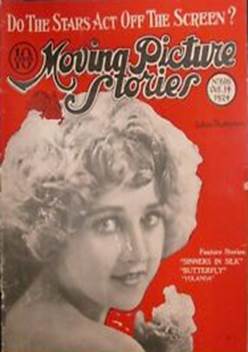
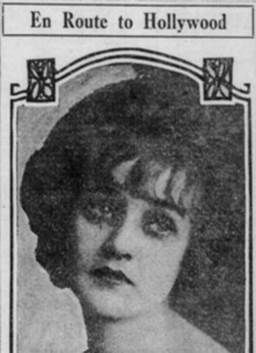
The Siren, in Australia, en route to Hollywood and The Coquette, a year apart
Lotus had a dream to perform in dramatic motion picture roles in Hollywood. Landing any role in any film amidst so much talent was exceedingly difficult. She wanted to act in tragedies or ‘deep drama’. Instead, she found herself in flimsy comedies. This was the paradox that many young actresses faced. That was not acting, and she knew it more than anybody.
Hollywood had long adored its sirens and vamps, smoky-eyed women who seemed to project tragedy with their gaze. They were dark–haired and dangerous but by the mid–1920s, the tide was turning.
The cultural mood had shifted, and studios craved something shinier, funnier, more American. The coquette arrived, packaged in peroxide and optimism. She was blonde, playful, and seemingly guileless. But beneath the innocent bob and the coy smile, she was sharp and knowing.
This was the new fantasy. It was not the wise and wounded siren, but the bright, irresistible girl. Lotus Thompson didn’t fit either image entirely, but she was being pushed to make her mark – to choose.
Although she still dreamt of tragic heroines and roles that demanded emotional depth and nuance, she yearned for drama. She wanted a decent script, real characters, and the chance to be taken seriously.
Hollywood wanted a big smile, nice teeth, toned legs, a bathing suit, and a beach ball from Lotus. So, she played that particular game and took any work and any role she could. The dream to perform in dramatic motion pictures was usurped amidst such relentless competition…and nothing was more competitive in 1924 than the Wampas Baby Star Awards.
 Lotus Thompson: Silent Film Star
Leave a comment